







Search Results for: pulped natural processing method
A Complete Guide to Brazil's Pulped Natural Process: Pectin Retention, Flavor Characteristics, and Its Connection to Honey Processing
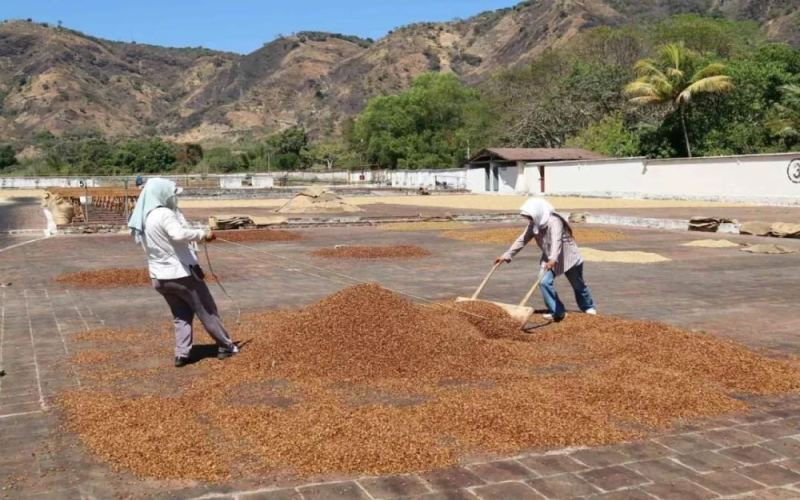
Among the three major coffee processing methods, natural and washed are easy to understand, but pulped natural (also known as semi-washed) often confuses people. This processing method was born in Brazil in 1990, and its proper name should be Pulped Natural, that is, the pulp natural method. It retains the step of removing the peel and pulp as in the washed method, while also drawing on the sun-drying method of the natural process. Because the soaking time is short, part of the pectin is retained, thereby saving water, shortening the drying cycle, and reducing the risk of infection. This article will explain in detail its background, processing flow, and flavor performance, and trace its origins with Costa Rican honey processing, while also introducing the specific information of a pulped natural Brazilian Red Bourbon from Front Street Coffee. [more…]
Brazilian Pulped Natural Processing Explained: The Pulped Natural Method and Its Similarities and Differences with Costa Rican Honey Processing
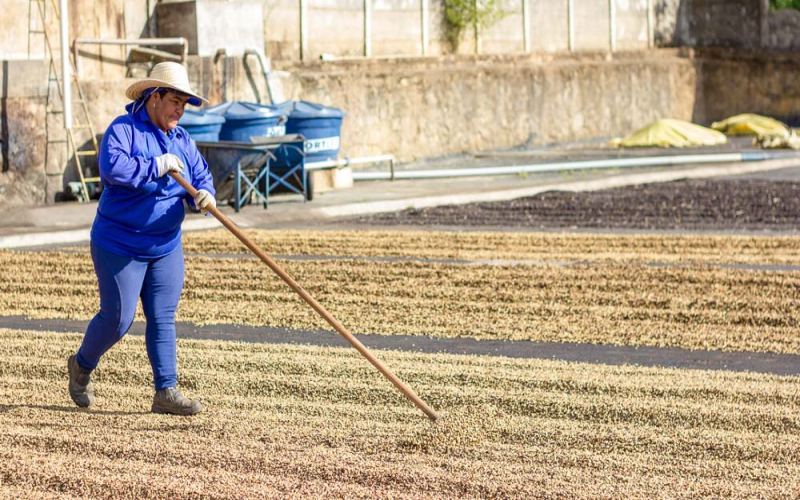
Among the many ways of processing green coffee, natural and washed have long been familiar to most people, while terms like semi-natural and semi-washed often cause confusion. In fact, semi-natural and semi-washed refer to the same process, whose accurate name is Pulped Natural. This processing method was born in Brazil in 1990, a product of local adaptation to conditions of scarce water resources. It retains the step of washed processing that removes the skin and pulp, while also relying on a short soak-fermentation followed by sun-drying with residual mucilage, thereby balancing water conservation with quality stability. In this article, Front Street Coffee will systematically sort out the origin of pulped natural, its specific process, and its influence on coffee flavor, and further explore how Costa Rican honey processing draws on this technique and develops its own characteristics, while illustrating with specific products such as Front Street Coffee Brazil Cerrado. [more…]
Coffee Processing Methods | Wet-Hulled, Semi-Washed, Honey Process, Pulped Natural — Detailed Steps, Flavor and Mouthfeel Comparison of Coffee Beans
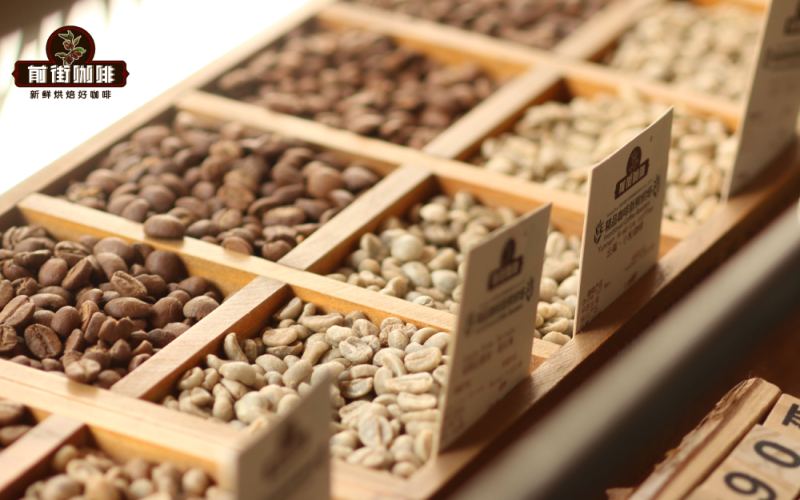
We all know that different processing methods can give coffee a rich and varied flavor profile. For example, Front Street Coffee's bean list alone features dozens of varieties, covering more than ten different processing methods. Today, Front Street will focus specifically on wet-hulled, semi-washed, and pulped natural [more…]
A Complete Guide to Coffee Processing Methods: Differences Between Natural, Washed, and Pulped Natural
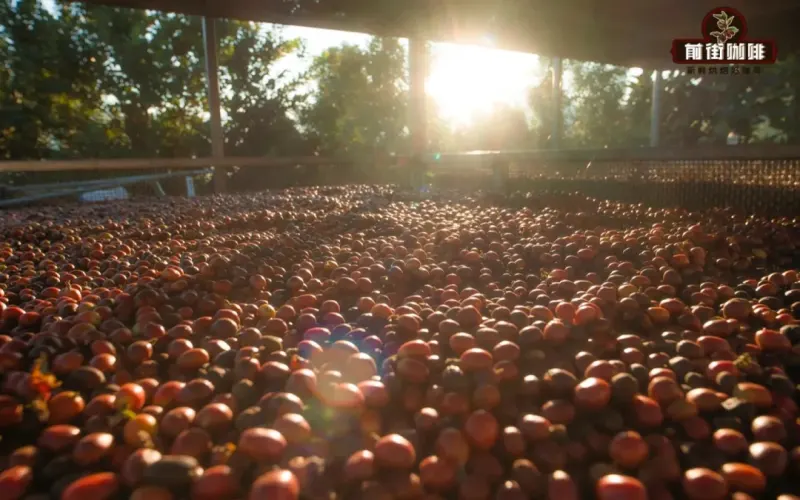
The flavor of coffee depends not only on origin and roasting—the processing method also plays a key role. As the oldest processing technique, the natural process uses sunlight and air to dry the fruit. The washed process, invented by the Dutch in the 18th century, removes the mucilage by soaking in water, resulting in a clean, bright cup. So what exactly are semi-natural, semi-washed, pulped natural, and pulped natural, which fall somewhere in between? They actually all refer to the same processing method, created by Brazil to suit local conditions, balancing cleanliness and water conservation. This article will systematically sort out the origins, procedures, and differences of these processing methods, analyze the subtle distinctions between honey processing and pulped natural, and finally share the brewing and flavor notes of Front Street Coffee's Brazil Cerrado semi-natural. [more…]
Wet-Hulled, Semi-Washed, Pulped Natural, and Honey Process: A Complete Analysis of the Flavor Differences Among Four Coffee Processing Methods
Following our previous discussion of the two major processing methods—natural and washed—this time we turn our attention to several post-harvest processes that fall between them: wet-hulled, semi-washed, pulped natural, and honey processing. How is each of these methods carried out? And what impact do they have on coffee flavor? We'll still start with the structure of the coffee cherry: from the outside in, the fruit consists of the outer skin, pulp, mucilage, parchment layer, silver skin, and the coffee bean seed itself. The core goal of all processing methods is simply to remove the outer layers and extract the seed. However, differences in the method, timing, and degree of removal lead to vastly different results in the cup. This article will break down these processing methods one by one—their procedural details, flavor tendencies, and the subtle connections between them—to help coffee enthusiasts more clearly understand the key role processing plays in shaping flavor. [more…]
Brazilian Single-Origin Coffee Bean Recommendations: Analysis of the Pulped Natural Process, Flavor Characteristics, and Pour-Over Parameters
Brazil is the world's largest coffee-producing country, but due to its relatively low altitude and flat terrain, not many beans truly make it into the ranks of specialty single-origin coffees. Brazilian estates have adapted to local conditions, cultivating improved Arabica varieties that do not require high-altitude shade, and developing a distinctive semi-washed processing method. This article focuses on the growing conditions of Brazilian coffee regions, the complete semi-washed process and its advantages and disadvantages, and also introduces two Brazilian single-origin beans brought in by Front Street Coffee—Cerrado Red Bourbon and Queen's Farm Yellow Bourbon—along with the corresponding pour-over brewing parameters, helping coffee enthusiasts gain a comprehensive understanding of the flavor profile of Brazilian semi-washed coffee. [more…]
Analysis of Brazil's Pulped Natural Process: Flavor Characteristics, Processing Advantages, and Major Specialty Regions
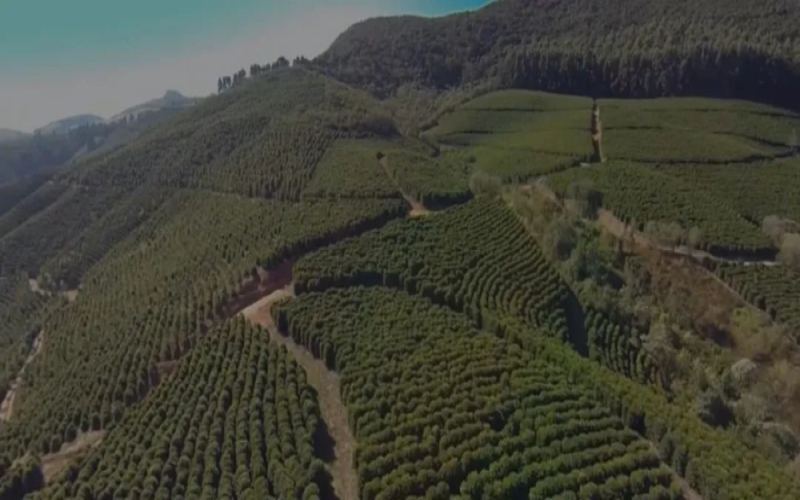
As the world's largest coffee producer, Brazil has also developed its own distinctive processing methods, among which the Pulped Natural method sits somewhere between washed and natural. This article will outline the specific steps of pulped natural processing, its advantages over traditional natural processing, and the distribution of Brazil's main specialty coffee regions. It will also draw on two beans currently sold by Front Street Coffee—Brazil Cerrado and Queen's Farm—to help readers understand how this processing method performs in actual cupping. [more…]
A Complete Guide to Green Coffee Processing Methods: Processing Differences and Flavor Comparison of Natural, Washed, Semi-Washed, and Honey Processes
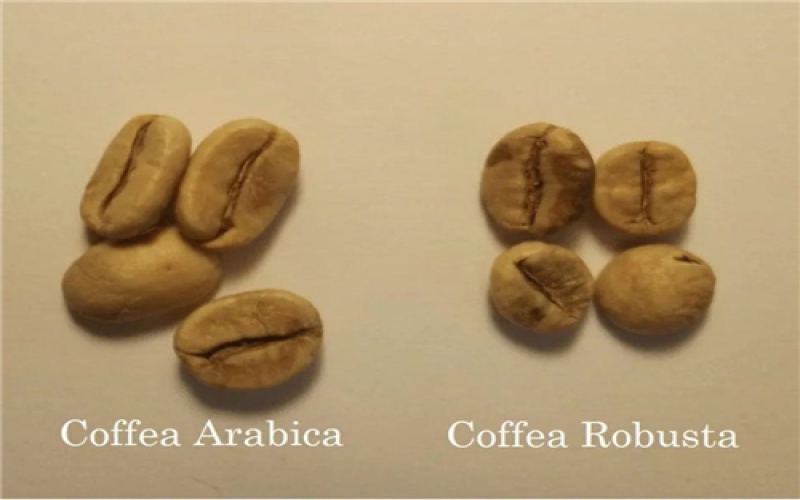
The processing method of green coffee beans directly determines the flavor direction of the final cup. From fruit to green bean, natural, washed, semi-washed, and honey processing each follow different craft paths, with their own trade-offs in cost, water consumption, and flavor performance. The natural method uses the natural drying of the fruit pulp to give the beans rich fruity aromas and a full-bodied sweetness, while the washed method removes pectin through fermentation, bringing a clean and bright acidity. Semi-washed seeks a balance between the two, and honey processing retains part of the pectin layer and dries directly, enhancing sweetness and body. Understanding the principles and pros and cons of each processing method is an important foundation for coffee lovers to understand flavor differences. This article will also recommend a number of representative processing-method coffee beans from Front Street Coffee for daily purchasing reference. [more…]
Wet-Hulled, Pulped Natural, and Honey Processing: An In-Depth Analysis of Three Major Green Coffee Processing Methods
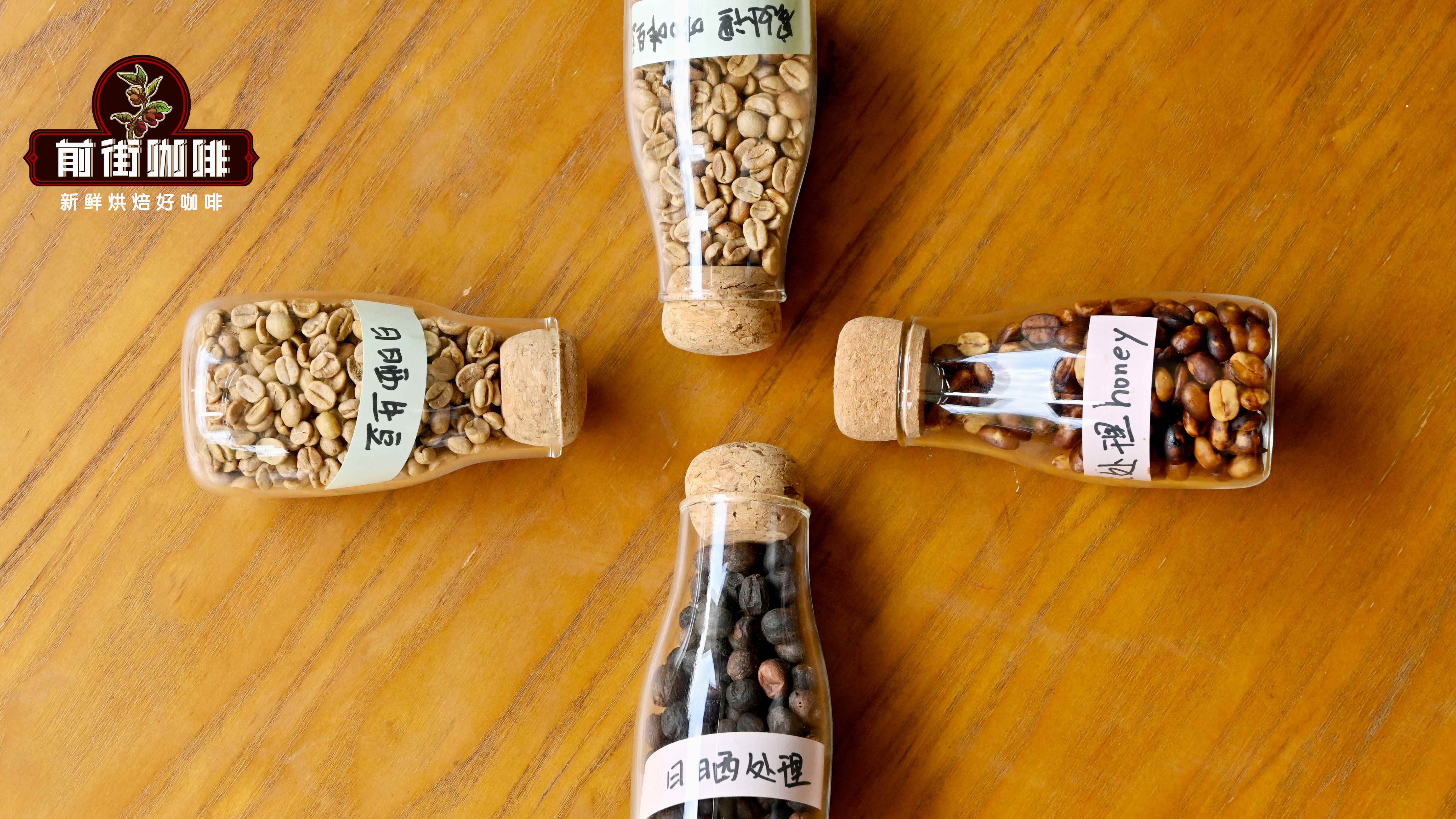
Coffee processing methods determine the flavor direction of green beans. Besides the common natural and washed methods, there are three processing methods that fall in between: Indonesian wet-hulled, Brazilian pulped natural, and Central American honey. Each was born in response to the climate and water resource conditions of its origin, and they present distinctly different expressions in acidity, sweetness, and body. This article will break down the principles and processes of these three processing methods one by one, and, in combination with specific beans such as Front Street Golden Mandheling, Front Street West Java Arumanis Estate, and Front Street Costa Rica Sumava Estate Black Honey Caturra, explain how processing methods shape the flavor in the cup. Finally, a complete comparison of acidity, sweetness, production risk, equipment cost, and water usage is attached. [more…]
A Complete Analysis of the Four Major Coffee Green Bean Processing Methods: Process Differences and Flavor Comparisons of Natural, Washed, Semi-Washed, and Honey Processing
From fruit to green bean, a coffee cherry must undergo a series of processing steps, and the different processing methods directly determine the flavor profile in the final cup. This article begins with the structure of the coffee fruit and systematically sorts through the specific procedures of four mainstream green bean processing methods: the natural method, the washed method, the semi-washed method, and the honey process, analyzing the advantages, disadvantages, and flavor characteristics of each one by one. Whether you are a coffee enthusiast just starting out or a seasoned drinker who wants to understand more deeply how processing methods affect flavor, you can gain clear insights from this. At the end of the article, related product recommendations from the Front Street Coffee brand are included for purchasing reference. [more…]
Analysis of the Brazilian Pulped Natural Process: A Guide to South Minas Coffee Varieties, Flavor Profile, and Grind Settings
Brazil, as a major producing country on the global coffee map, is arguably second only to Ethiopia in the diversity of its processing methods. Among them, the South Minas region, with its inclusiveness in running semi-washed, natural, and washed processes in parallel, has become the core producing area for Brazilian specialty coffee. This article focuses on Front Street Brazil South Minas coffee beans, systematically reviewing the technical characteristics and flavor advantages of the semi-washed method, and extending to the processing preferences of regions such as Cerrado and the hilly lands of North-Central Minas, while also analyzing the lineage and cup profile of Santos and Bourbon varieties, giving you a comprehensive understanding of this bean's variety, processing method, and grinding setting choices. [more…]
A Complete Guide to Coffee Bean Processing Methods: The Differences Between Traditional Washed, Natural, and Honey Processing and Anaerobic Fermentation Flavor-Enhancing Techniques
After coffee cherries are picked, they must go through a series of processing steps before they become the green beans we are familiar with, and different processing methods directly determine the direction of the flavor in the cup. Washed, natural, and honey processing are the three classic methods, and there are also diverse techniques such as semi-washed, semi-natural, and in-body fermentation. In recent years, anaerobic fermentation and flavor-enhanced processing have also sparked much discussion—how exactly do they differ from conventional processing? This time, Front Street Coffee will guide everyone through a systematic overview of the classification of coffee processing methods and their respective characteristics, from the swampy green appearance of semi-washed beans, to the pectin-derived sweetness of honey processing, and then to the clean, bright character of washed beans, breaking down one by one the process, flavor performance, and representative producing regions of each technique, helping coffee lovers build a clear cognitive framework. [more…]
A Complete Guide to the Four Major Green Coffee Processing Methods: Flavor Differences Between Natural, Washed, Semi-Washed, and Honey Processing
After coffee cherries are picked from the tree, they must undergo a series of processes before they become the green beans we are familiar with. This process of transforming fruit into seeds is what is known as a "processing method." Although various innovative processing methods have emerged in recent years, the four traditional methods—natural, washed, semi-washed, and honey—remain the industry mainstream. Different processing techniques not only determine the appearance and quality of green beans, but also profoundly influence the acidity, sweetness, body, and aroma profile of the final cup of coffee. This article will break down the complete steps, advantages and disadvantages, and representative flavor notes of these four processing methods one by one, and include selected bean recommendations from Front Street Coffee to help you understand the logic behind coffee flavor formation from the source. [more…]
Analysis of Brazilian Coffee Bean Flavor Characteristics and the Pulped Natural Processing Method: Is Arabica Suitable for Pour-Over?
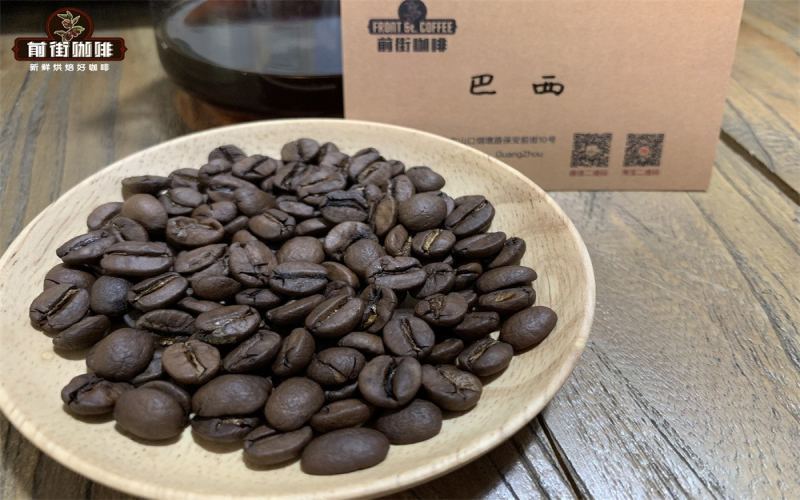
As the world's largest coffee producer, Brazil is known for its coffee beans with low acidity, nutty and chocolate flavors, and a smooth mouthfeel, making them suitable for both blends and single-origin brews. This article explores Brazil's coffee-producing regions, main varieties, and pulped natural processing method, offering an in-depth analysis of the flavor characteristics of Brazilian coffee beans and discussing whether they are suitable for pour-over coffee. It also combines Front Street Coffee's Brazilian everyday beans and Queen Coffee to provide specific brewing parameters and flavor descriptions, helping coffee enthusiasts fully appreciate the charm of Brazilian coffee. [more…]
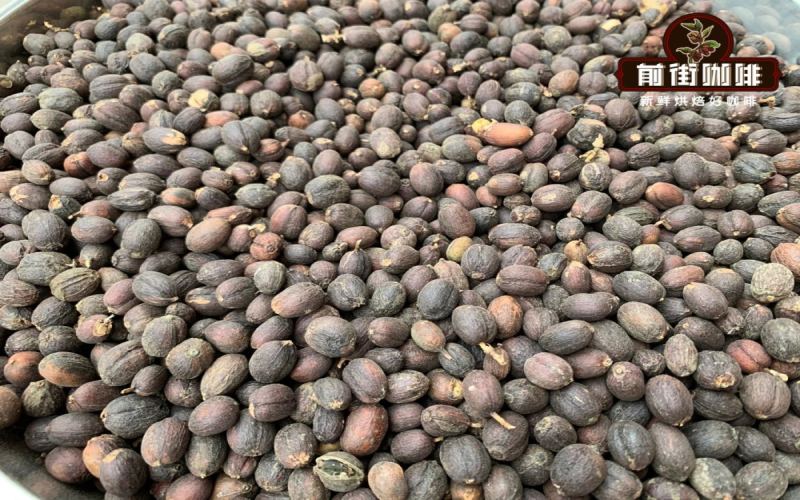
How Do Natural, Semi-Natural, Washed, and Honey Processing Differ? Analyzing the Flavor and Mouthfeel Characteristics of Natural Coffee Beans
The processing method of green coffee beans directly influences the flavor profile of the final cup. As the oldest and least expensive processing technique, the natural process spreads whole coffee cherries out to dry, giving the beans a rich sweetness and fruity character; the washed process removes the skin and pulp before drying, producing a clean acidity; Brazil has found a balance between water conservation and quality in the semi-washed process; and the honey process leaves the mucilage on the beans during drying, bringing a fresh and full-bodied tropical fruit flavor. This article will compare the technical details, advantages and disadvantages, and corresponding cup profiles of these four processing methods one by one, while also introducing several representative beans from Front Street Coffee that correspond to each process. [more…]

What types of sun-dried processing methods are there for coffee beans? A full analysis of the differences between natural and semi-natural processing techniques.
The impact of coffee processing methods on green bean flavor is akin to the influence of winemaking techniques on wine; different processing methods can bring out completely distinct characteristics. This article will systematically outline the origins, procedures, and flavor traits of the natural process, and compare the similarities and differences among mainstream methods such as the washed process, semi-washed process, and honey process, helping enthusiasts understand the logic behind each processing method and its expression in the cup. The article also combines several representative beans from Front Street Coffee to provide specific purchasing references. [more…]
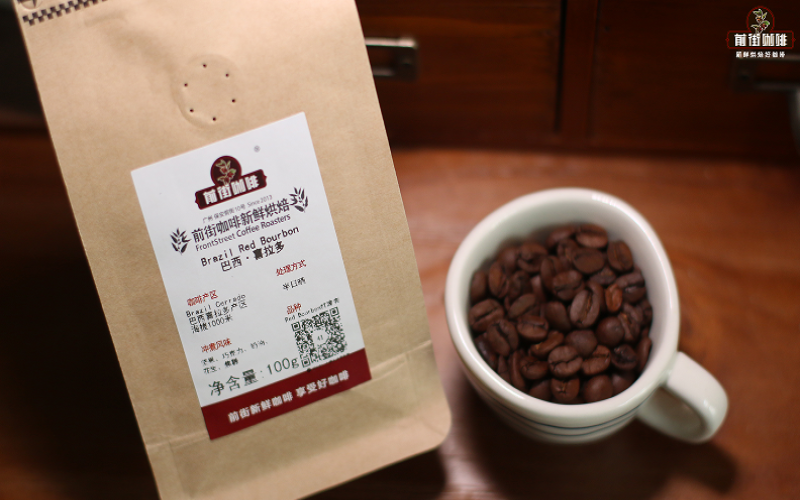
A Complete Guide to Brazilian Cerrado Coffee: Variety Flavor Analysis, Pour-Over Grind Parameters, and Brewing Steps
As the world's largest coffee-producing country, Brazil's consistent quality makes it the cornerstone of espresso blends, and the Cerrado region stands out among many producing regions for its meticulous processing and exceptional flavors. Starting from Front Street Coffee's everyday beans, this article systematically reviews the Cerrado region's geographical and climatic characteristics, the flavor differences between the two major varieties Red Bourbon and Yellow Bourbon, and the evolutionary logic of the pulped natural processing method. It also discloses in detail the complete parameters of Front Street's Brazilian coffee brewing—KONO dripper, 88°C water temperature, 1:15 coffee-to-water ratio, and staged pouring technique—along with a flavor comparison between pulped natural Cerrado and natural Queen Estate, helping coffee enthusiasts fully understand the rich sweetness and nutty notes of Brazilian coffee. [more…]
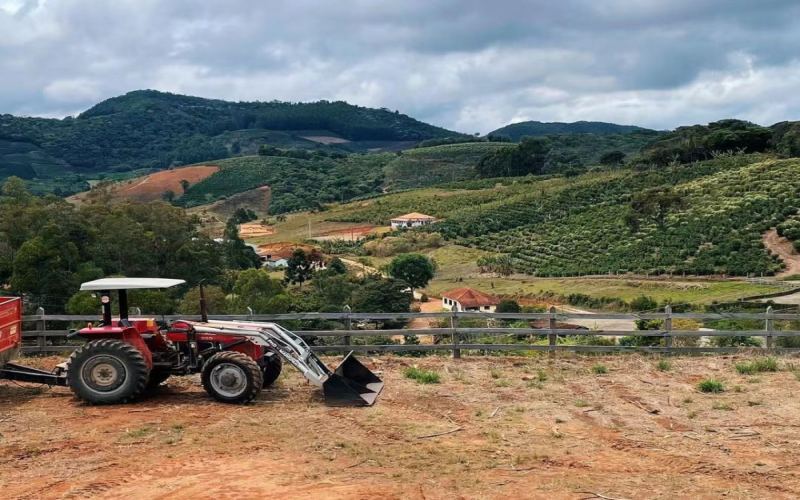
A Full Analysis of Brazilian Coffee Beans: Flavor Characteristics, Major Producing Regions, the Pulped Natural Process, and Brewing Suggestions
Brazil is the world's largest producer of Arabica coffee, supplying both large volumes of commercial beans and specialty coffee. Because of its flat terrain and lack of microclimates, Brazilian beans typically have lower acidity, with flavors dominated by nuts, caramel, and chocolate. After cupping many Brazilian beans, Front Street Coffee often uses a medium-dark roast to highlight their balanced, full-bodied character. This article will systematically introduce the characteristics of Brazilian coffee beans from aspects such as the climate of the producing region, specialty-producing areas, representative bean varieties, the pulped natural processing method, and pour-over extraction parameters, while retaining Front Street Coffee's product and brewing recommendations to help coffee lovers understand the flavor logic of Brazilian coffee more comprehensively. [more…]
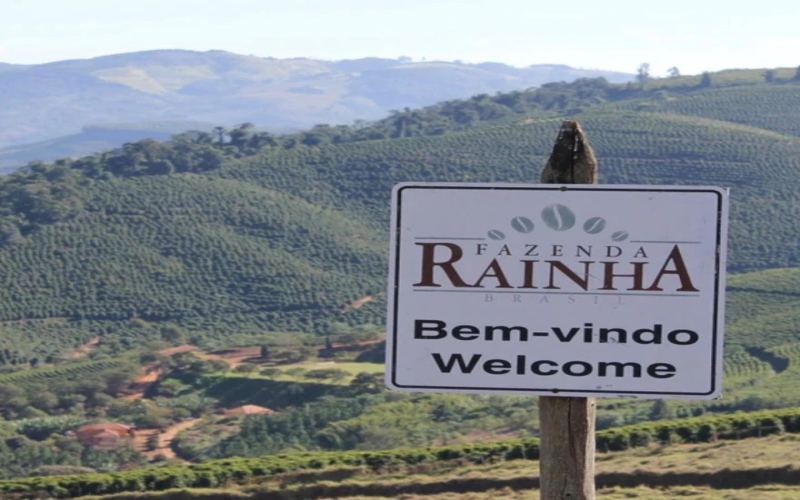
Nutty and Cocoa-Forward Coffee Beans Without Acidity: Brazil Queen's Estate Yellow Bourbon Flavor, Pulped Natural Processing, and Pour-Over Parameters Explained
For those who enjoy nutty, cocoa-toned coffee without wanting noticeable acidity, the Yellow Bourbon from Brazil's Queen's Farm is often an unavoidable choice. It comes from the high-altitude Mogiana region of Brazil, bringing with it a clean sweetness and a brown-sugar-like finish, making it highly recognizable among Brazilian beans. This article focuses on the Brazil Queen's Farm Yellow Bourbon coffee beans offered by Front Street Coffee, outlining the estate's background, the characteristics of the Yellow Bourbon variety, the semi-washed processing method, as well as Front Street's green bean analysis, roasting insights, and in-store brewing parameters, helping coffee lovers understand why this bean presents a rich nutty and cocoa flavor with a balanced, smooth, and low-acid taste, and providing a reproducible pour-over extraction approach. [more…]

Analysis of the Evolution of Brazilian Coffee Regions and the Pulped Natural Process, Plus Brewing Parameters for Queen Farm's Yellow Bourbon
Brazil, as the world's largest coffee-producing country, has profoundly influenced the global coffee landscape through the development of its producing regions, the evolution of processing methods, and the cultivation of varieties. From the perspective of Front Street Coffee, this article traces the historical thread of Brazilian coffee from natural processing to the uniquely invented semi-washed (pulped natural) method, analyzes the terroir characteristics of three major specialty regions—Sul de Minas, Cerrado, and Mogiana—and provides a detailed introduction to major varieties such as Red Bourbon, Yellow Bourbon, Mundo Novo, and Yellow Catuai. At the same time, using Queen's Farm Yellow Bourbon as an example, it presents Front Street's recommended pour-over extraction parameters and three-stage pouring technique, helping coffee enthusiasts gain a more comprehensive understanding of the nutty flavor and full-bodied mouthfeel of Brazilian coffee. [more…]